Travel / Back to Europe the slow way · 2022–2023
Our journey began in Stuttgart, where we caught an early morning train to Dachau, a trip that blended the ease of German public transit with the weight of history. The train ride was smooth—about two hours with a quick change in Munich—followed by a short bus from Dachau’s station to the concentration camp memorial site. Stepping through the gates, marked with the chilling “Arbeit Macht Frei” inscription, the air felt heavy. The gravel paths, the stark barracks, the crematorium—it was somber and heartbreaking. We walked in near silence, reading the exhibits, trying to grasp the scale of the suffering. The museum’s photos and survivor stories hit hard, a stark reminder of humanity’s capacity for both cruelty and resilience. We left with heavy hearts, grateful for the chance to bear witness.
Back in Munich, the mood lifted as we dove into the city’s vibrant energy. It was a weekend, and the streets were buzzing. We wandered through the Marienplatz, marveling at the Glockenspiel’s twirling figures, and strolled the sprawling English Garden, where surfers rode the Eisbach wave under a bright afternoon sun. The Hofbräuhaus was on our list, but it was packed to the brim—rowdy groups, clinking steins, and the oompah band barely audible over the noise. We couldn’t even squeeze in, so we settled for a quick pretzel from a street vendor instead, soaking in the festive chaos from the outside.
With hours to kill before our overnight train to Budapest, we headed to Munich’s main station, only to find it lacking in places to wait. The benches were sparse, and the station felt more like a thoroughfare than a place to linger. So, we parked ourselves at a nearby restaurant, a cozy spot with wooden tables and a surprisingly good schnitzel. We stretched out our meal, sipping Radlers and playing cards, watching the station’s comings and goings through the window.
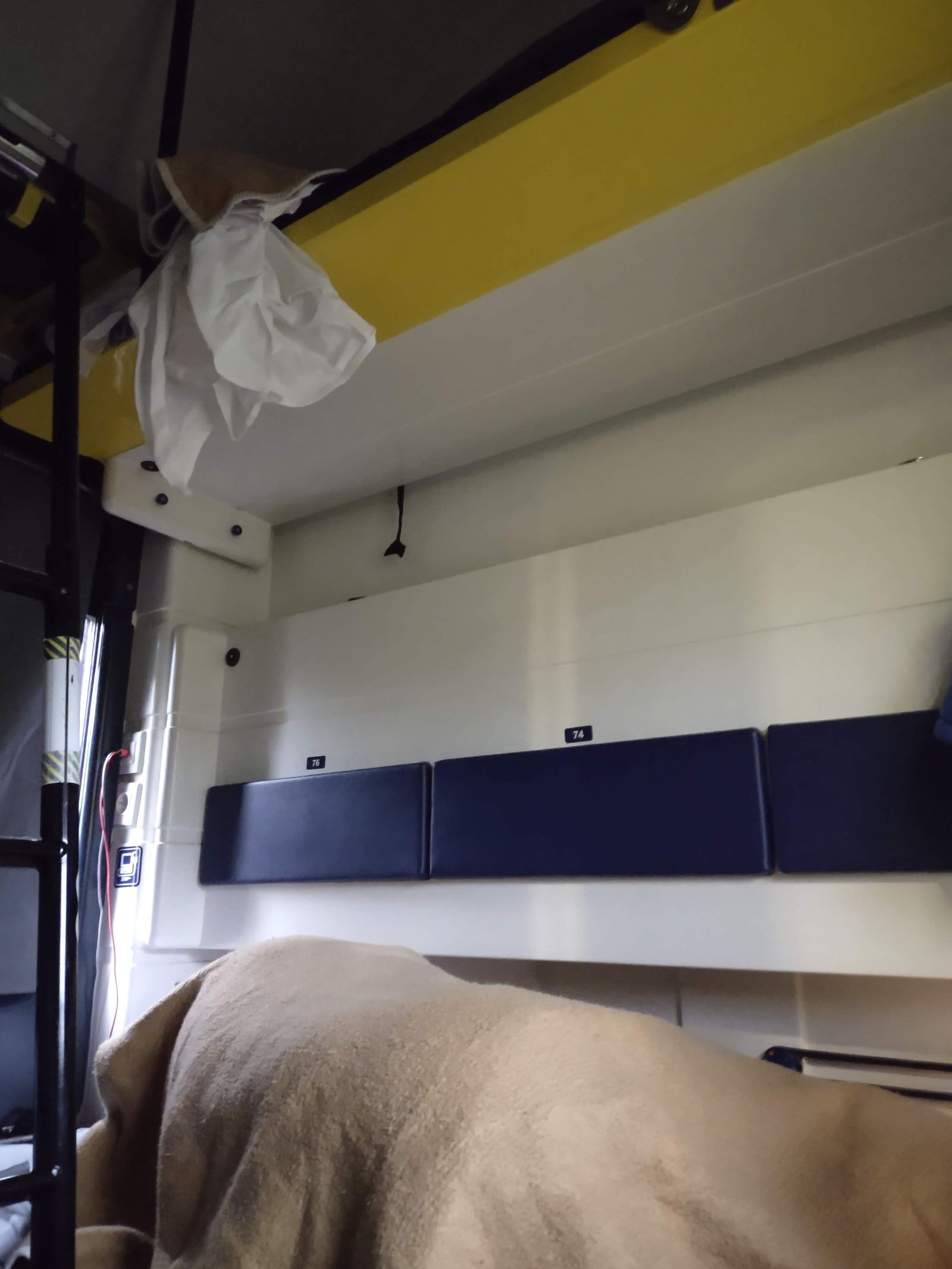
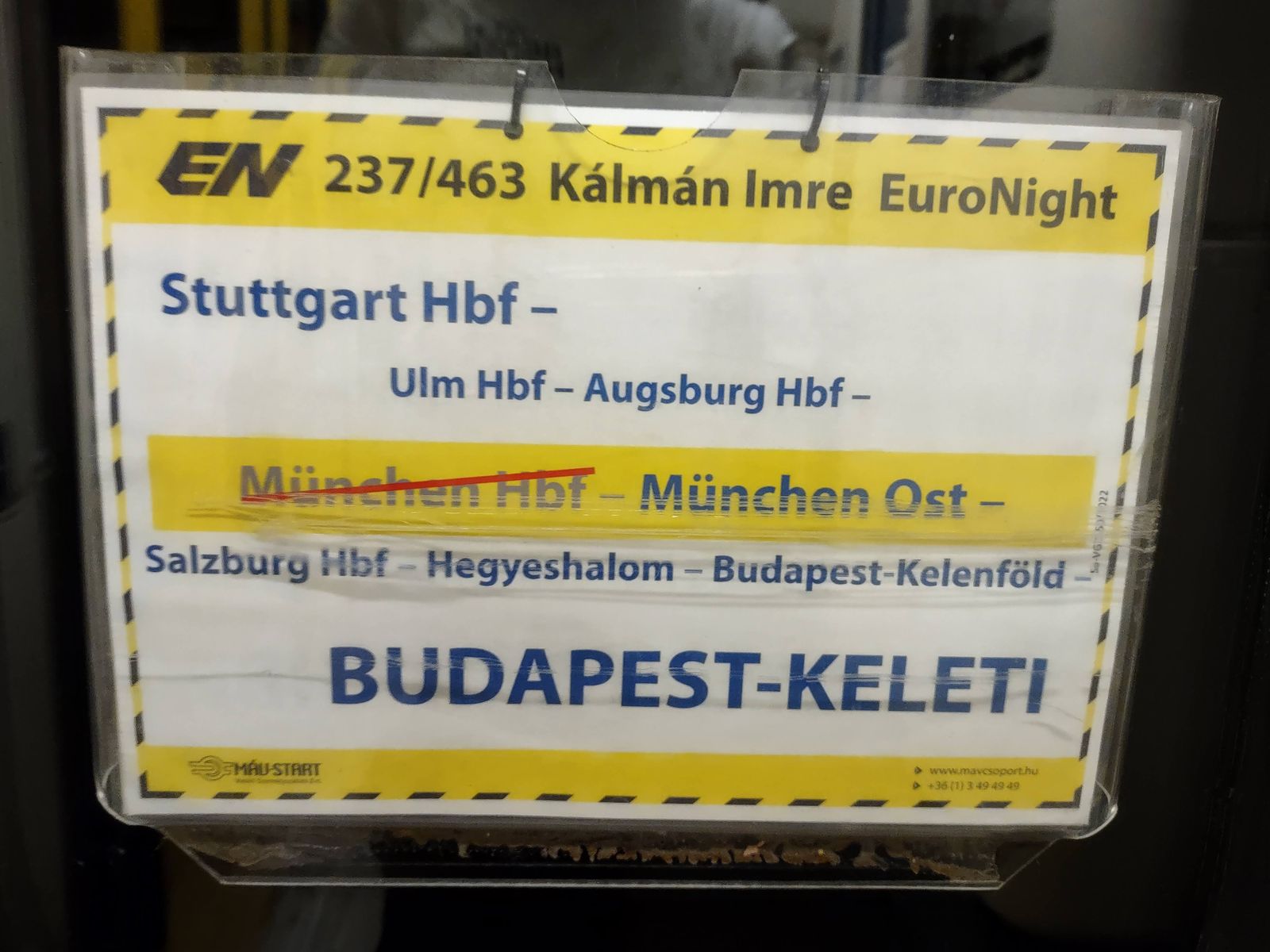
The real adventure came when it was time to catch our train. We’d bought our tickets weeks ago, but the night train’s departure station had changed—a detail we only learned last minute. Panic set in as we raced across Munich to the new station, München Ost, narrowly making it with minutes to spare. Sweaty and out of breath, we boarded the train, a basic but charming sleeper with narrow bunks and thin blankets. It wasn’t luxurious—more like a rolling dorm room—but there was something thrilling about it. The gentle rocking of the train, the occasional whistle in the night, and the knowledge that we’d wake up in Budapest made it a fun adventure.
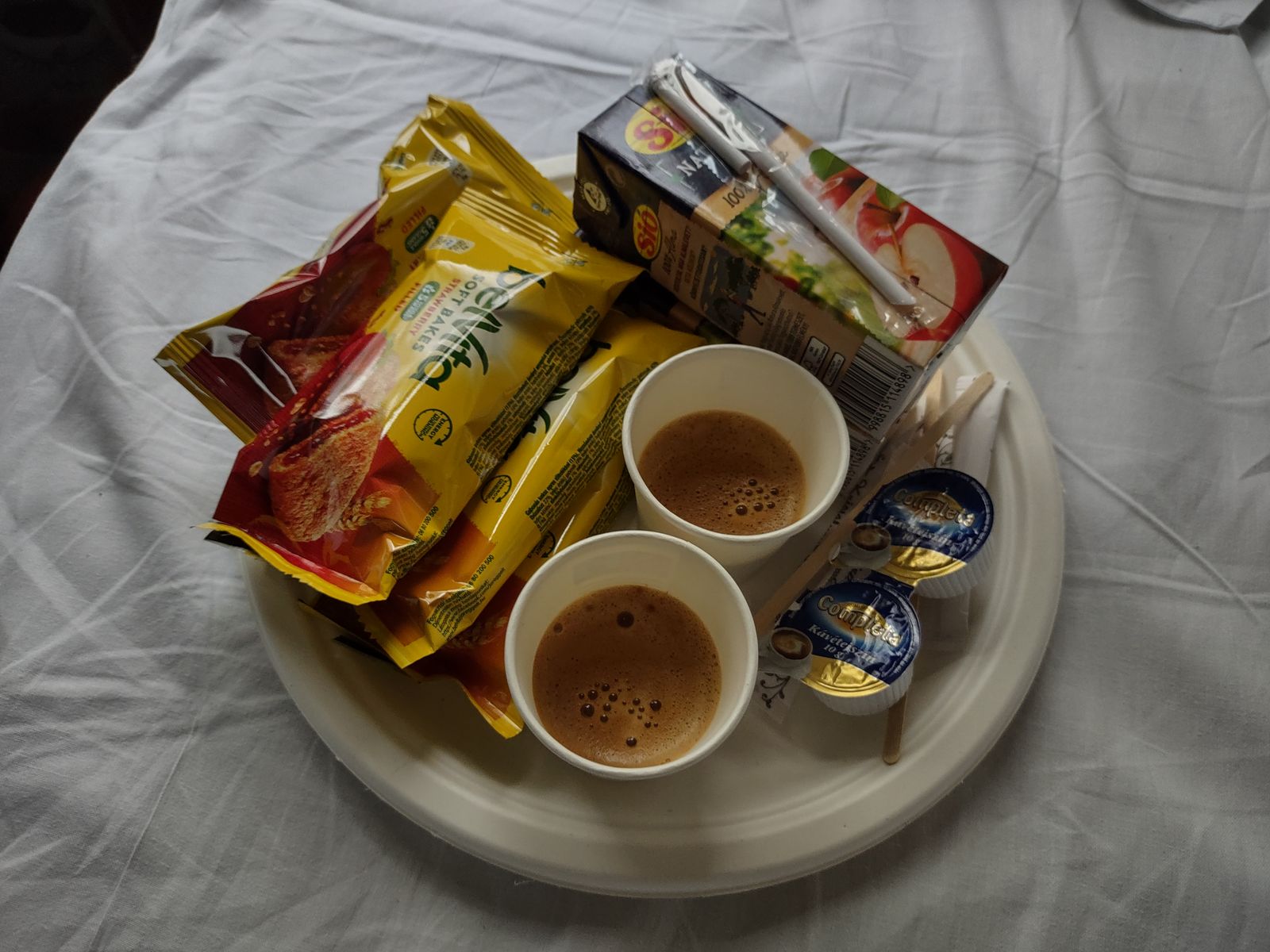
As the train clattered through the darkness, we reflected on the day’s contrasts: the sobering history of Dachau, the lively bustle of Munich, and the chaotic dash to this night train. It was a whirlwind, but one that left us eager for what Budapest would bring.